Hi, I’m Hororan!
Welcome back to Sake Atlas.
Let me guess how you drink sake. You chill the bottle, pour it into a wine glass, and drink it cold like a crisp white wine. Right? That is perfectly fine. I love cold sake.
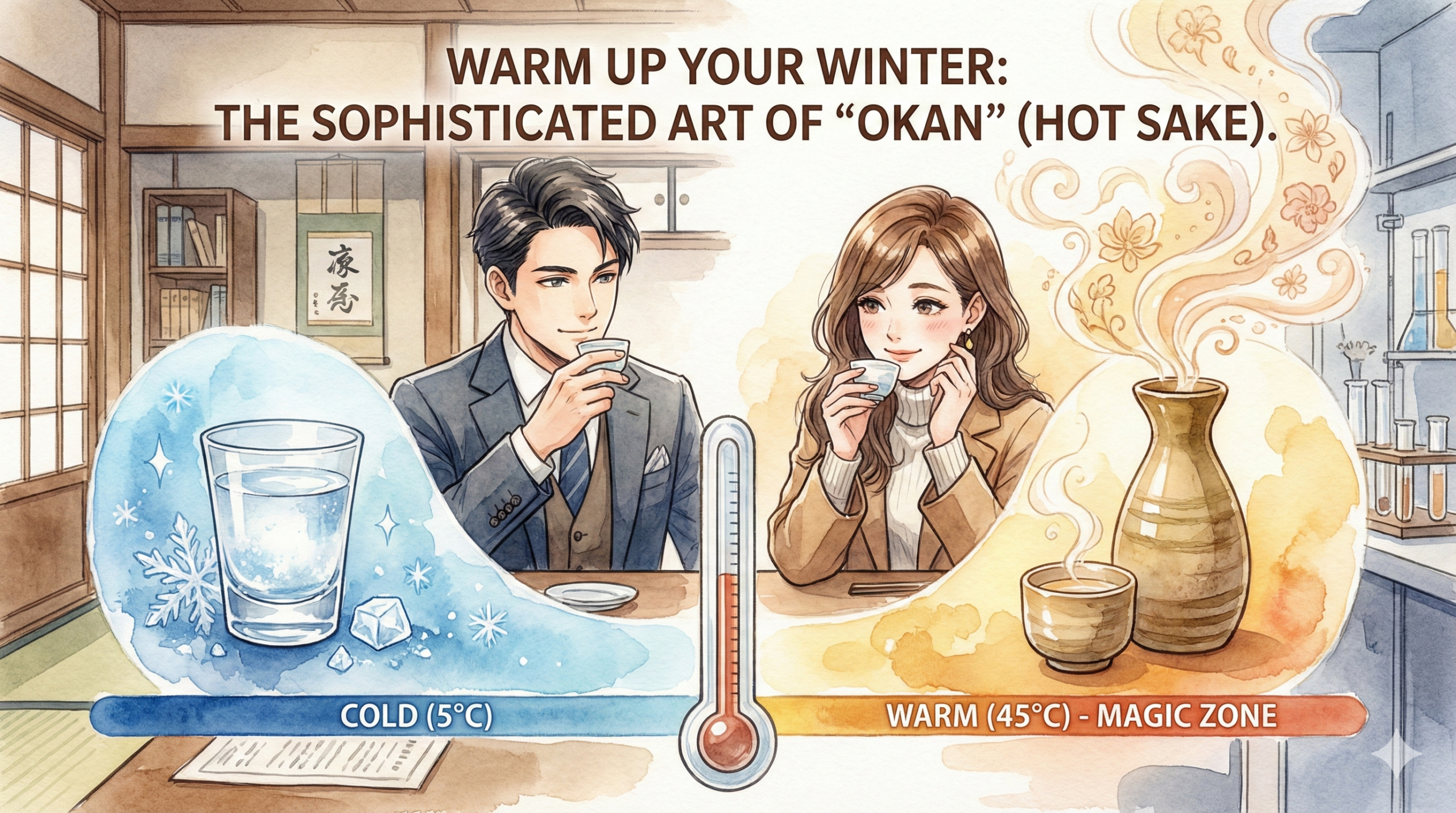
But if you only drink sake cold, you are missing out on half the fun. In the West, heating fine alcohol is often seen as blasphemy. But in Japan, “Okan” (お燗 / Warmed Sake) is not about fixing cheap booze. It is a sophisticated art form, a culinary experiment that transforms flavor through physics.
This winter, let’s master the art of temperature.

Who is this article for?
- The Sophisticated Drinker: You appreciate the subtle complexities of aged spirits or fine teas and want to apply that to sake.
- Flavor Experimenters: You love understanding the “why” behind taste and enjoy testing different variables.
- Winter Hedonists: You are looking for the ultimate comforting, luxurious drink for a cold night.
The Science: Why Heat It?
Sake has the widest serving temperature range of any alcohol in the world—from an icy 5°C (41°F) to a steaming 55°C (131°F).
Why heat it? To unlock hidden potential. Just as warming a brandy snifter releases aromatic compounds, warming sake liberates complex aromas and flavors that are dormant when cold.
Rich styles like Junmai or Kimoto are full of amino acids (Umami) that feel “tight” when chilled. Heat unravels them, creating a texture that is round, velvety, and deeply savory. It’s liquid comfort.
The Temperature Guide (Your Laboratory)
You don’t need a lab coat, but a simple kitchen thermometer will turn your kitchen into a tasting laboratory. Knowing these four zones will change your life.
The “Crisp” Zone: Cold (5°C – 10°C)
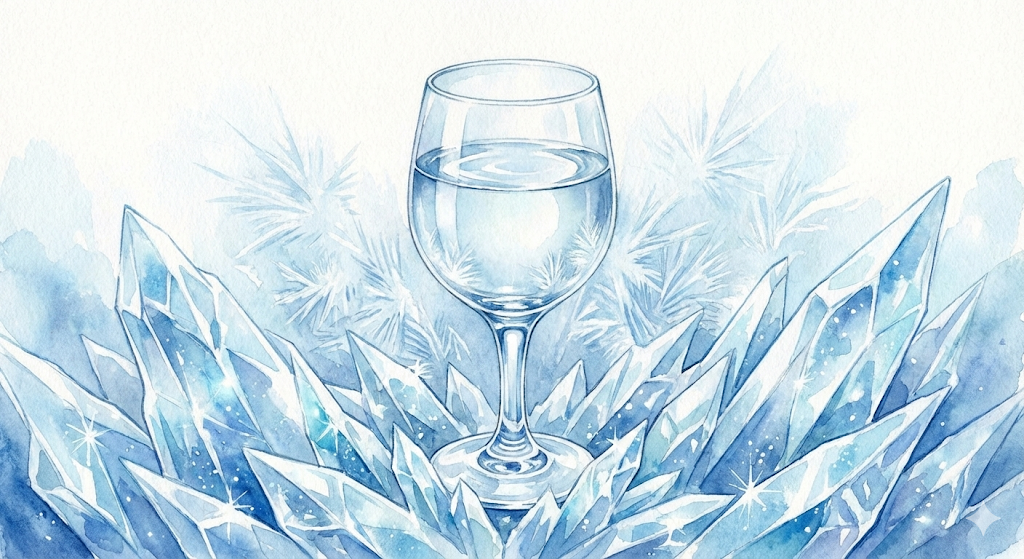
Japanese Name: Yukibie (雪冷え) / Hanabie (花冷え)
Best For: Ginjo, Daiginjo, Sparkling.
The Vibe: Refreshing, sharp, and clean. Like a cool breeze.
The “True Self” Zone: Room Temp (15°C – 20°C)
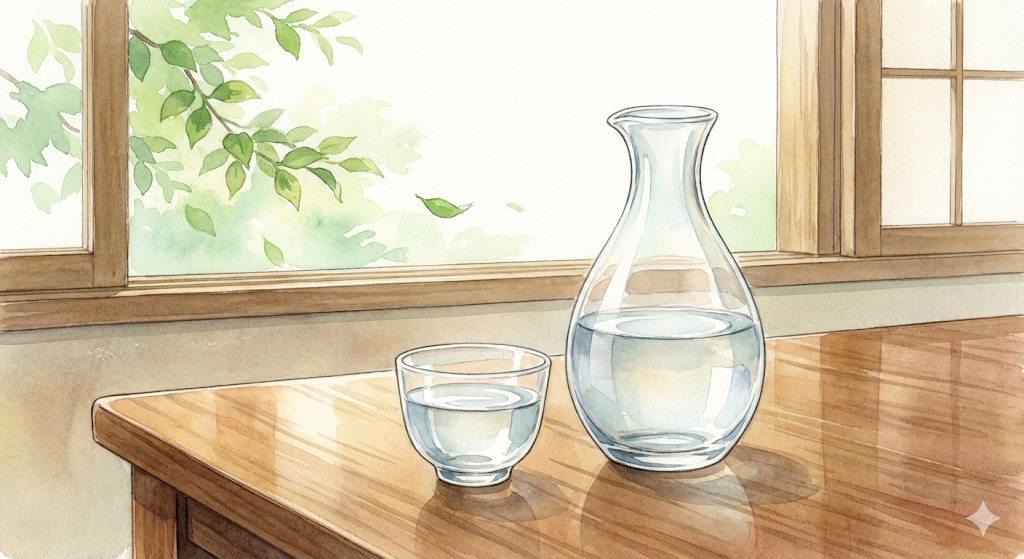
Japanese Name: Hiya (冷や)
Best For: Any style, especially when tasting for the first time.
The Vibe: Honest and balanced. This is the sake’s natural state.
The “Magic” Zone: Warm (40°C – 45°C)
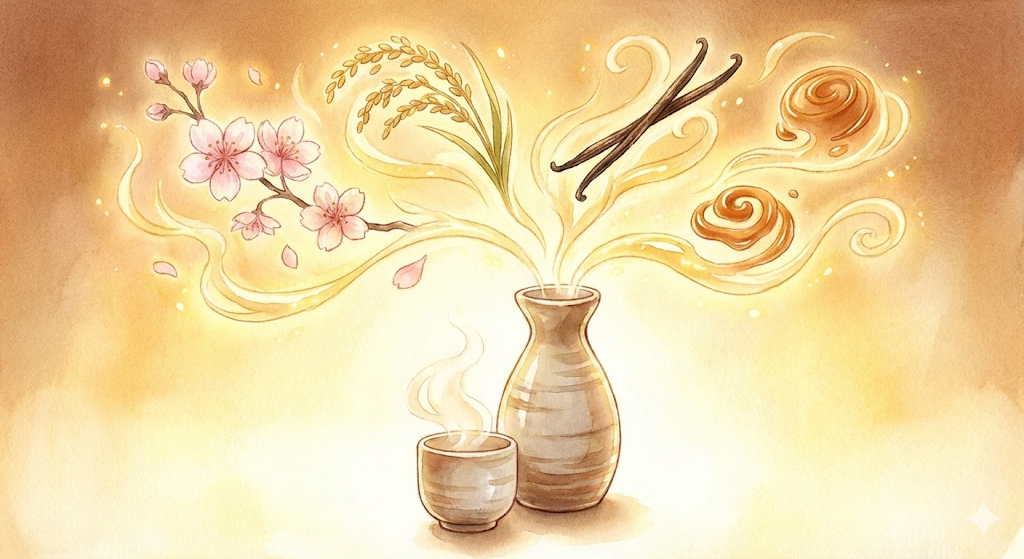
Japanese Name: Nurukan (ぬる燗 / Lukewarm)
Best For: Junmai, Yamahai, Kimoto.
The Vibe: This is where art happens. The aroma blooms into notes of steamed rice, nuts, or caramel. The texture becomes silky and expansive. It is gentle, soothing, and incredibly complex.
The “Sharp” Zone: Hot (50°C+)
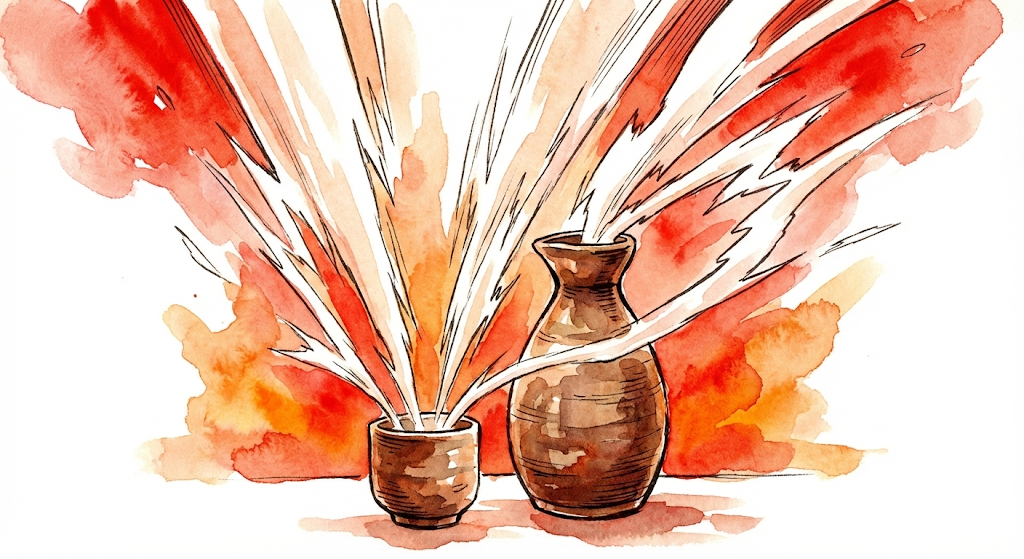
Japanese Name: Atsukan (熱燗 / Hot Sake)
Best For: Dry, robust Junmai or Honjozo.
The Vibe: Powerful and dry. The alcohol vapor gives it a sharp kick that cuts through rich, oily foods instantly.
Conclusion: The “Half & Half” Experiment
Don’t just take my word for it. Try this experiment tonight.
Take one bottle of robust Junmai sake.
- Pour half into a glass and drink it cold. Note the sharp lines and restrained flavor.
- Pour the other half into a ceramic flask (tokkuri) and gently warm it in a hot water bath to 45°C. Drink it warm.
It will taste like a completely different beverage. You have just performed magic.