Hi, I’m Hororan!
Welcome back to Sake Atlas. I’m your navigator through the complex and beautiful world of Japanese Sake.
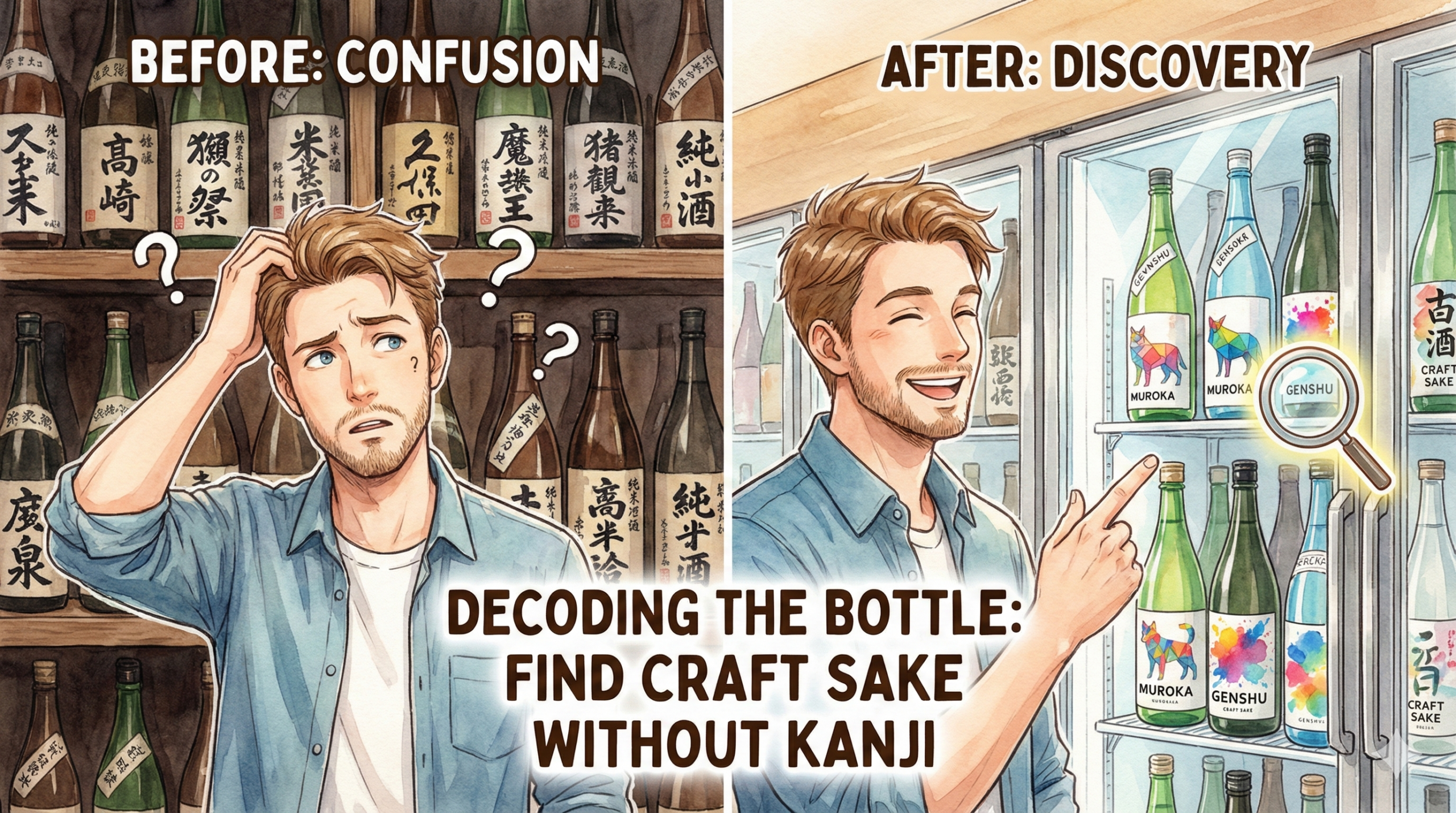
Walking into a Japanese liquor shop can be intimidating. You are surrounded by hundreds of bottles, all covered in complex calligraphy.
You want to buy something special, maybe a small-batch artisanal bottle, but you have no idea which is which. You feel like you need a PhD in linguistics just to get a drink.
Don’t worry. I’m here to tell you a secret: You can judge a Sake by its cover.

Who is this article for?
- The “Kanji” Phobic: You panic when you see a wall of Japanese characters and don’t know where to start.
- Visual Choosers: You often buy wine just because the label looks cool (and you want to do the same with Sake).
- Craft Hunters: You want to find high-quality, small-batch sake, not the mass-produced stuff sold in convenience stores.
The “Wall of Text” Problem
For non-Japanese speakers, a Sake bottle looks like a cryptic puzzle. But modern Sake brewers are smart. They know that design is a language.
Just like natural wine producers use funky art to signal “funky taste,” Sake brewers use label design to tell you what’s inside.
Here are three visual cues to help you find the “good stuff” without reading a single word.
1.Judge the Label Art (Old vs. New)
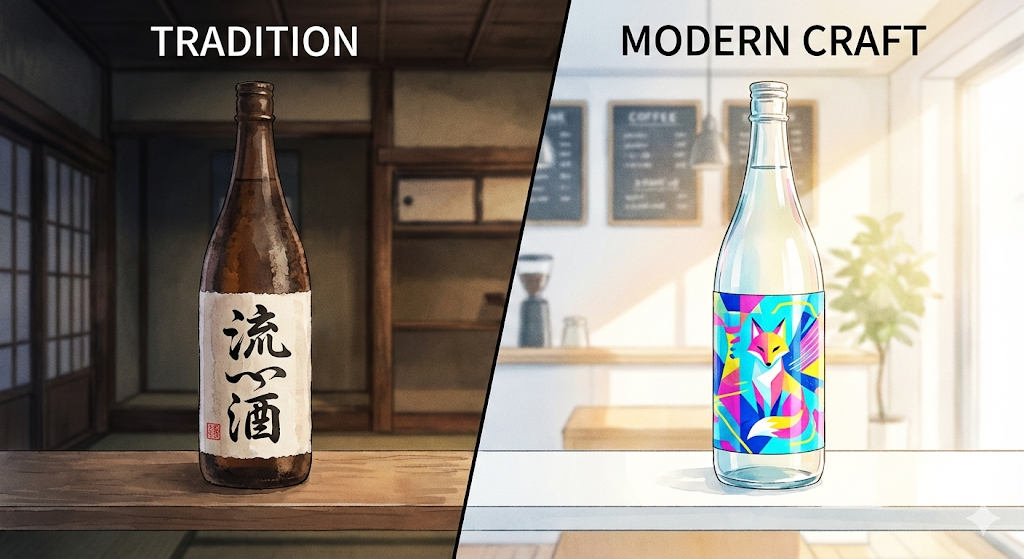
Generally, the “vibe” of the label matches the “vibe” of the taste.
- Bold, Black Calligraphy on White Paper: This signals “Tradition.” These sakes are often dry, sharp, and crisp. They are the classic style (The “Old School”). If you want a serious, dry drink to go with Sashimi, pick this.
- Modern Art, Colorful, or Minimalist: This signals “Innovation.” If the label looks like a modern art poster, a cute illustration, or uses bright colors (pink, blue, lime green), the sake is likely fruity, juicy, and sweet. This is the “New Wave” of craft sake.
Tip: If you see a label with a drawing of an animal or a funky geometric shape, it’s almost certainly a modern, craft style.
2.The “Fridge” Rule
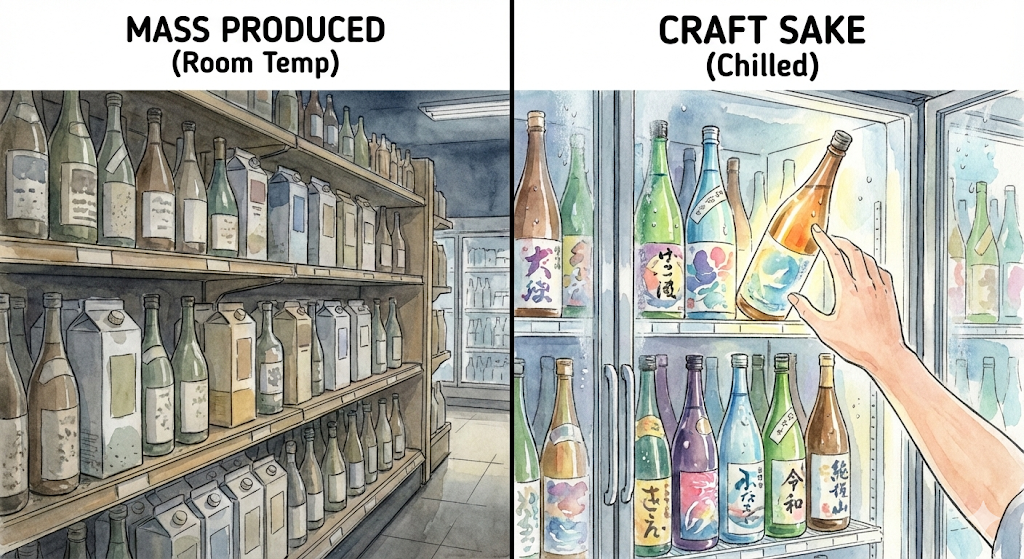
This is the single most important rule for finding quality sake. Look at where the bottle is placed.
- On a shelf (Room Temperature): These are often mass-produced sakes or traditional styles that are heat-treated (pasteurized) to be durable. They aren’t bad, but they might lack the fresh “pop” you are looking for.
- In the Refrigerator (Chilled): Bingo. High-quality craft sake is delicate. It is often “Nama” (Unpasteurized) or “Ginjo,” meaning it is fresh and alive. Brewers insist these bottles be kept cold to preserve their aroma. If you want the “Craft” experience, ignore the shelves and go straight to the fridge.
3.Look for the “Magic Words” (English)
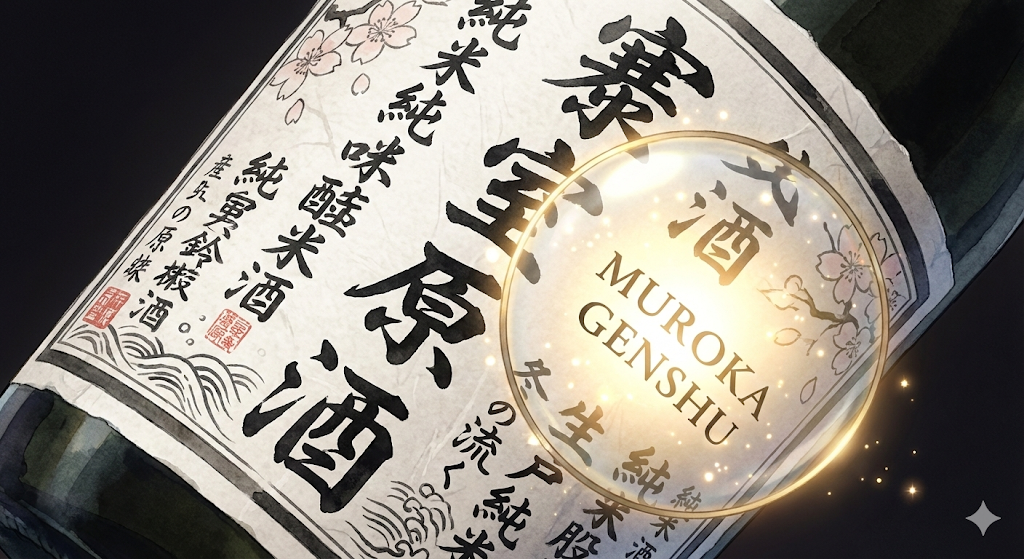
Brewers who make artisanal sake want to be discovered by the world. So, they often leave you clues in the alphabet. Look for these keywords on the label:
- “Muroka” (無濾過): Means “Unfiltered.” It’s the sake equivalent of “Whole Wheat” or “Natural Wine.” It has more color and a richer, heavier taste.
- “Genshu” (原酒): Means “Undiluted.” Most sake is watered down to lower the alcohol. Genshu is the full-strength version (usually 17-19% ABV). It’s powerful and impactful.
Conclusion: Trust Your Instincts
You don’t need to read the Kanji for “Junmai Daiginjo” to find a bottle you love.
- Go to the Fridge.
- Find a Modern/Cool Label.
- Check for English clues.
If a bottle catches your eye, it’s calling you. Grab it, chill it, and enjoy the adventure.