Hi, I’m Hororan.
When you prepare a cheese platter for the weekend—perhaps a nutty Comté or a creamy Burrata—what do you reach for? A Chardonnay? Or maybe a Sauvignon Blanc?
That has been the “Golden Rule” of gastronomy for centuries. And don’t get me wrong, I love wine too.
But what if I told you that you might be missing out on the true perfect marriage?
Actually, from a chemical perspective, Sake is a far superior partner for cheese than white wine.
“Sake? Isn’t that just for Sushi?” Not anymore. Forget that old stereotype.
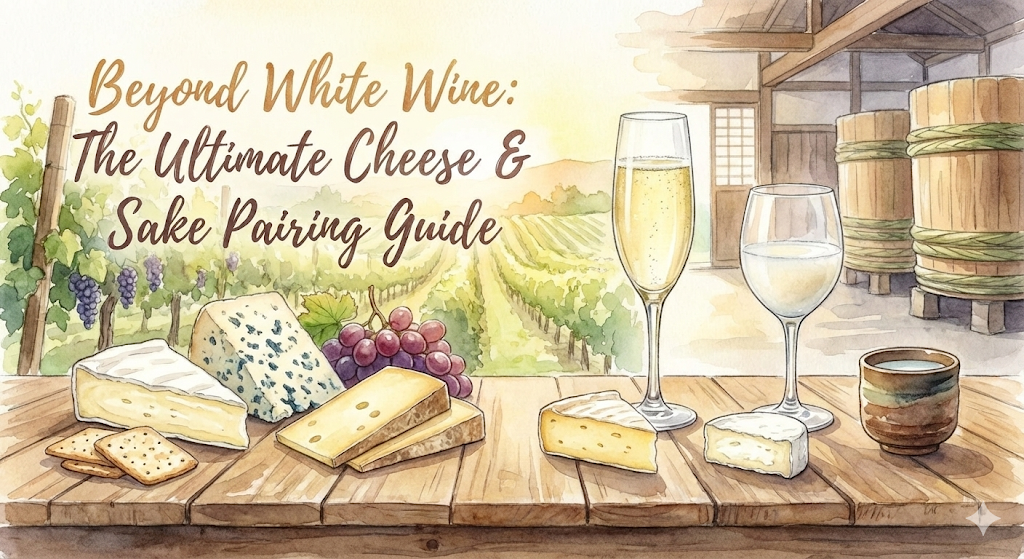
Today, let me take you beyond white wine and explain why Sake—the “Liquid Umami”—is the ultimate soulmate for your favorite cheese.

Who is this article for?
- Wine & Cheese lovers looking for a new experience beyond the classics.
- People who still believe the myth that “Sake is only for Sushi.”
- “Gastro-Tourists” interested in the science of Umami and Fermentation.
Reason 1: The “Umami” Explosion
First, let’s talk about science. The biggest difference between wine and Sake is their composition.
Generally speaking, Wine is the alcohol of “Acidity,” while Sake is the alcohol of “Umami.”
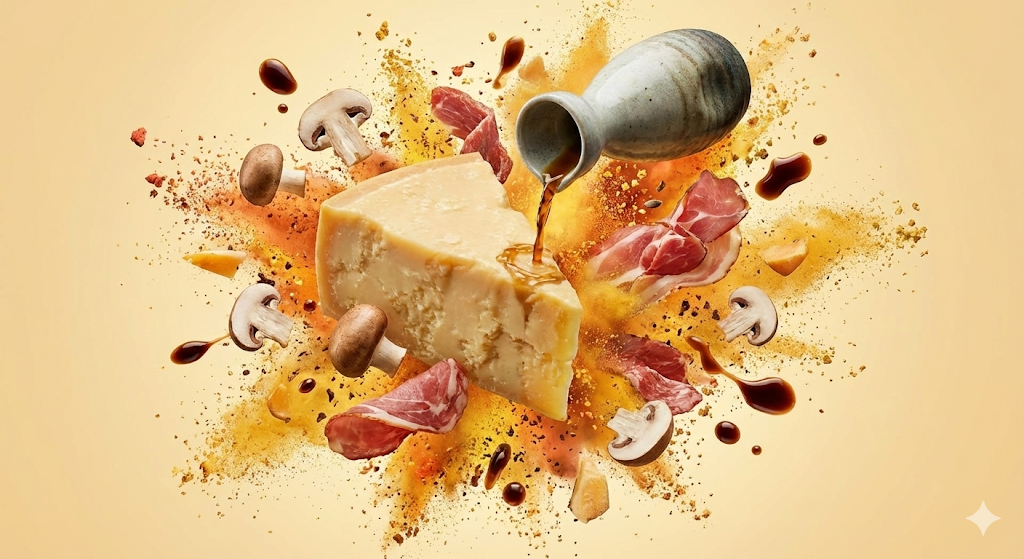
Did you know that Sake contains about 5 to 10 times more amino acids than white wine? Amino acids are the source of savory deliciousness, known as “Umami.”
Cheese is also a bomb of Umami (Glutamate). When you pair wine with cheese, they shake hands.
But when you pair Sake with cheese, the Umami from both sides multiplies and creates a “Flavor Explosion” in your mouth. It’s not just a pairing; it’s a chemical synergy.
By the way, tomatoes and dried mushrooms are also full of Glutamate. If you love a Caprese salad or mushroom risotto, try pairing them with Sake next time. It’s magic!
Reason 2: The Lactic Acid Connection
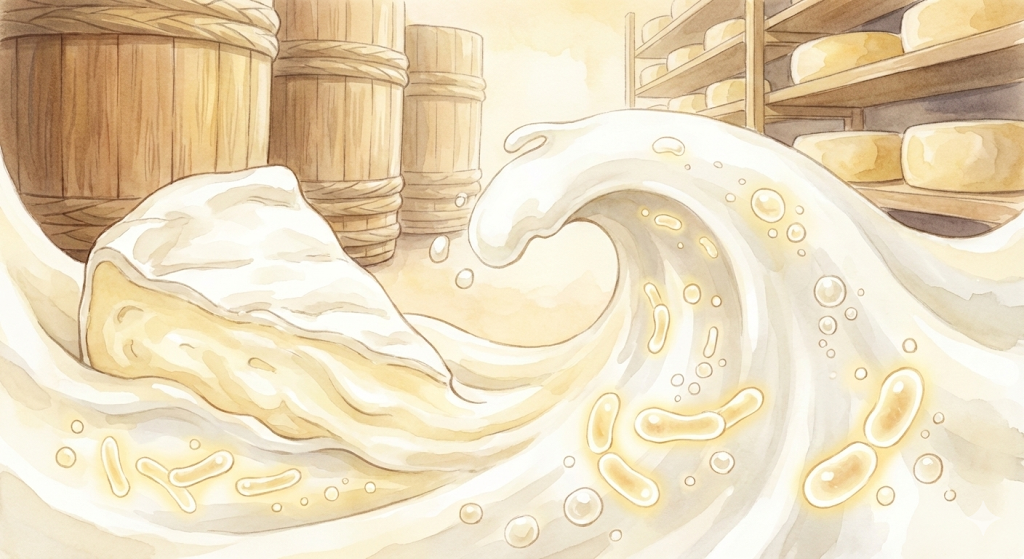
Why do they taste so good together? The secret lies in “Fermentation.” As you know, cheese is fermented using lactic acid bacteria.
Actually, traditional Sake brewing methods—specifically styles called “Kimoto” (生酛) or “Yamahai” (山廃)—also utilize the power of natural lactic acid bacteria during fermentation.
Because they share the same “Lactic Acid” DNA, they don’t fight on your palate. Instead, they blend into a creamy, rich harmony.
If you love yogurt or sour cream, you will definitely fall in love with this combination.
Traditional styles like “Kimoto” might taste a bit funky and earthy at first, similar to natural wine. But trust me, once you get hooked, there’s no going back. It’s a deep world.
Reason 3: The Ultimate Palate Cleanser
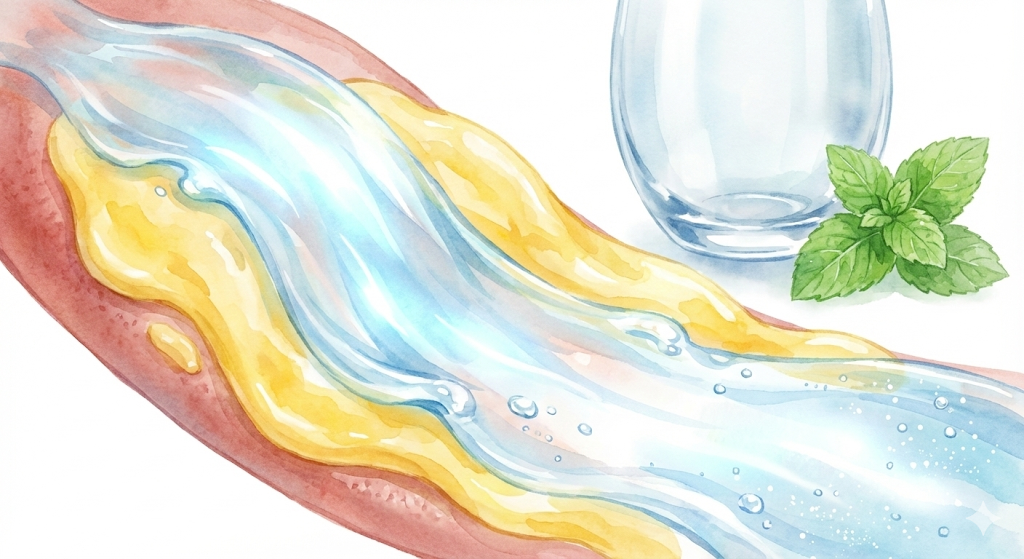
Cheese is delicious, but it is also fatty. After a few bites of rich cheese, your tongue gets coated in oil, making it hard to taste the delicate flavors.
White wine uses its sharp acidity to cut through the fat, but sometimes that acidity can clash with the milkiness of the cheese. Sake, on the other hand, acts as a gentle “Wash.”
The alcohol and natural sweetness of rice softly cleanse the oil from your tongue, refreshing your palate completely.
It prepares you for the next bite, creating an endless loop of “Cheese, Sake, Cheese, Sake…”
Be careful, though! Because your palate gets refreshed with every sip, it’s very easy to drink (and eat) too much. Don’t forget to drink water in between!
Practical Guide: Best Pairings to Start
Ready to try? Here are my top 3 recommendations for your next grocery run.
1. Fresh Cheese (Mozzarella, Burrata)
- Pair with: “Sparkling Sake” or Fruity “Junmai Ginjo”
- Why: Just like adding strawberries or melon to cheese. The fruity aroma and bubbles elevate the freshness of the milk.
2. Blue Cheese (Gorgonzola, Stilton)
- Pair with: “Kijoshu” (Dessert Sake) or “Nigori” (Cloudy Sake)
- Why: Think of it as pouring honey over blue cheese. The rich sweetness of the Sake balances the saltiness and funk of the cheese perfectly.
3. Hard / Aged Cheese (Comté, Parmesan)
- Pair with: “Kimoto” or “Yamahai” (Traditional Style)
- Why: Aged cheese has a complex, earthy flavor. You need a full-bodied Sake with high acidity and Umami to stand up to it.
Remember, these are just guidelines, not rules. The best pairing is the one YOU enjoy the most. Don’t be afraid to experiment in your own kitchen!
Conclusion
So, next time you plan a cheese night, skip the Chardonnay and grab a bottle of “Junmai” Sake instead. It might be a small adventure for you, but I promise it will be a delicious discovery.
If you find your favorite pairing, please tag “Sake Atlas” on Instagram and let me know!