Hello, I’m Hororan.
If you’re curious about Japan, chances are you’ve heard of sake.
It’s often described as “Japanese rice wine,” but that simple label doesn’t quite capture what sake really is.
For many people outside Japan, sake is still a mystery. Some imagine it as a strong drink meant to be taken like a shot, while others confuse it with similar rice-based alcohols from other parts of Asia.
In reality, sake is something much quieter, more subtle, and deeply connected to everyday life and tradition in Japan.
In this article, I’d like to introduce what sake truly is — how it’s made, how Japanese people actually enjoy it, and why it holds such an important place in Japanese culture.
You don’t need expert knowledge or refined taste. All you need is curiosity.
Let’s take the first step into the world of sake together.

Who Is This Article For?
- People interested in Japanese culture and traditions
- Wine, beer, or spirits lovers looking for something new
- Travelers planning a trip to Japan (or reminiscing about one)
【Introduction】What Is Sake?
When people outside Japan say “sake,” they usually mean a specific Japanese drink made from rice.
But for Japanese people, the word sake (酒) means something much broader.
In Japanese, sake refers to alcohol in general — it can mean wine, beer, whisky, or any alcoholic drink.
So when a Japanese person hears a foreigner say “I love sake,” it can sound a bit unclear, almost as if someone said, “I love alcohol,” without specifying what kind.
The drink that most people overseas call “sake” is actually known in Japan as nihonshu, or Japanese sake.
This small difference in language has led to many misunderstandings about what sake is, how it should be enjoyed, and what role it plays in Japanese culture.
For some, sake is imagined as a strong drink taken in shots. Others see it as simply another type of wine.
In reality, Japanese sake has its own history, its own brewing methods, and its own way of being enjoyed — one that reflects Japanese values of balance, seasonality, and sharing time with others.
In this article, we’ll take a closer look at what sake really is, starting from this difference in meaning, and explore how Japanese people understand and enjoy their traditional rice-based alcohol.
What Is Sake Made From?
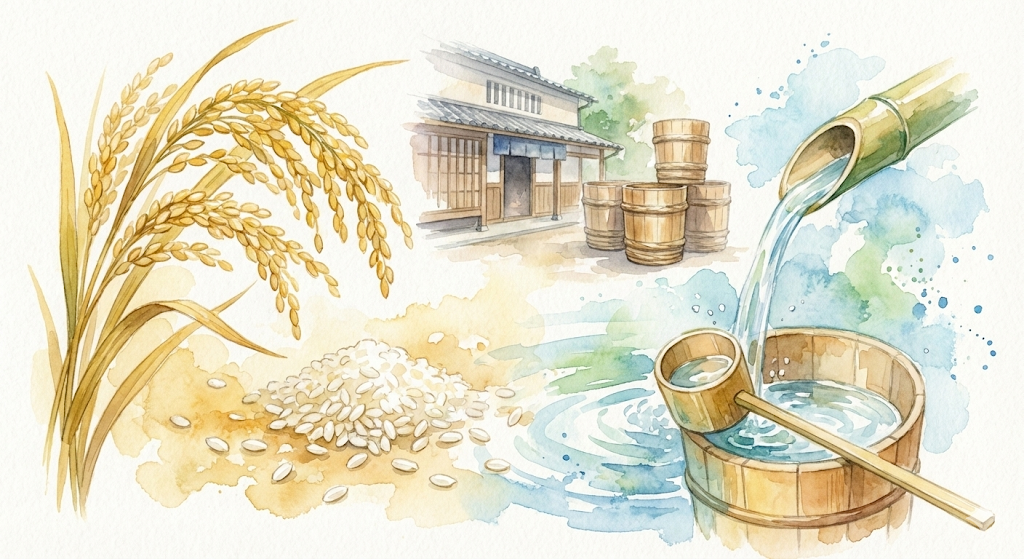
One of the most striking things about sake is how few ingredients it uses.
At its core, sake is made from just four elements:
- Rice
- Water
- Koji mold
- Yeast
Despite this simplicity, sake can have an incredible range of flavors. This is because small differences — in rice polishing, water quality, temperature, or timing — can greatly affect the final taste.
This sensitivity to detail is one reason sake is traditionally enjoyed slowly. It is a drink meant to be noticed, not rushed.
How Is Sake Different from Wine or Beer?
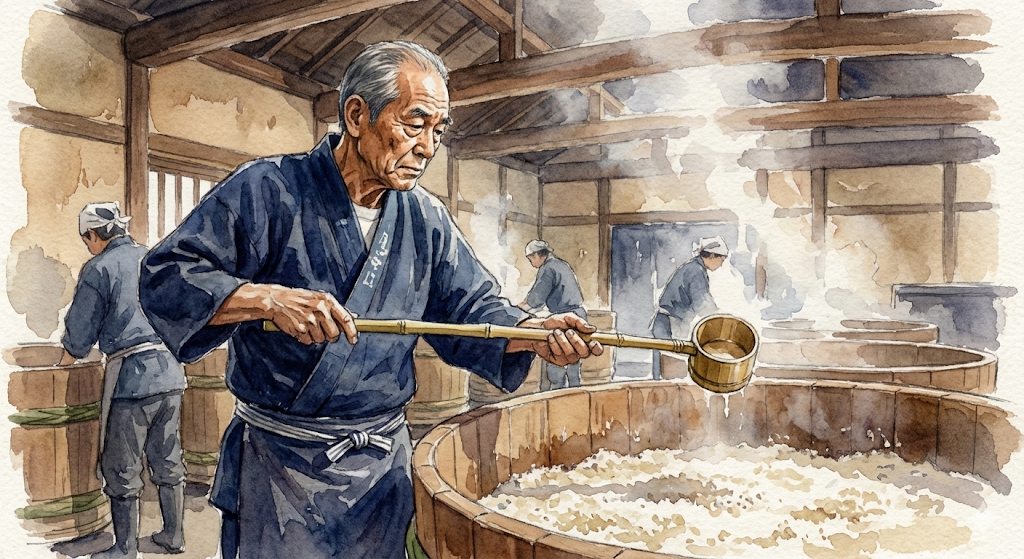
Sake is often compared to wine because of its alcohol content, but the brewing process is actually closer to beer.
Wine is made by fermenting sugar that already exists in grapes. Beer and sake, on the other hand, are made from grains, which must first be converted into sugar before fermentation can occur. In sake brewing, this process happens simultaneously, making it quite unique.
In terms of flavor, sake is usually less acidic than wine and has a softer mouthfeel. It also pairs easily with a wide range of foods, not just Japanese cuisine.
Because of these differences, sake stands on its own rather than fitting into an existing category.
A Brief History of Sake
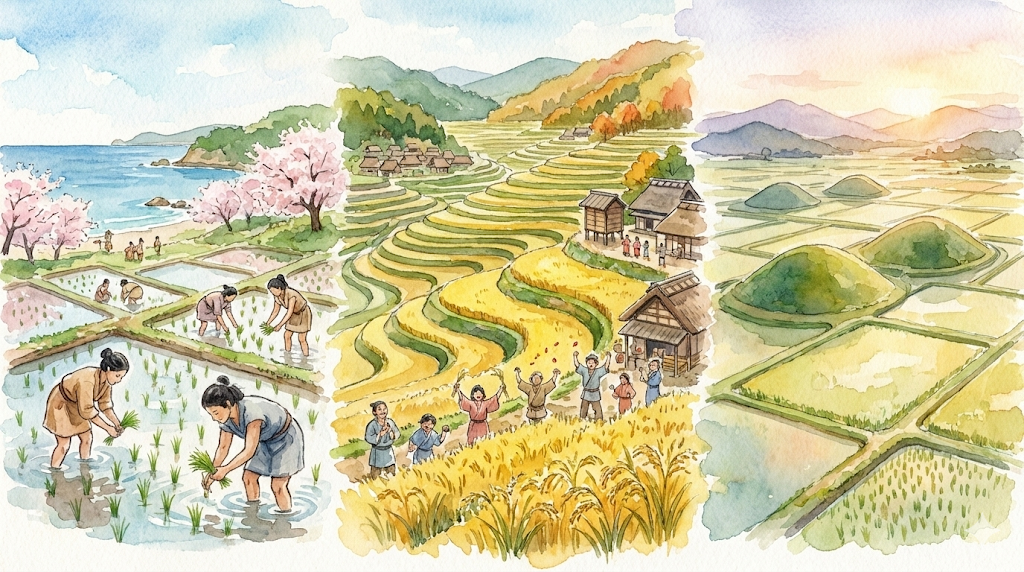
Sake has been part of Japanese life for over a thousand years. It was originally used in Shinto rituals and offered to the gods during festivals and ceremonies.
Over time, sake became part of everyday life as well. It was shared at celebrations, enjoyed with meals, and used to mark important moments in the seasons and in people’s lives.
This dual role — both sacred and casual — is one of the reasons sake remains so important in Japan today.
How Japanese People Enjoy Sake ― Not a Shot, but a Sip
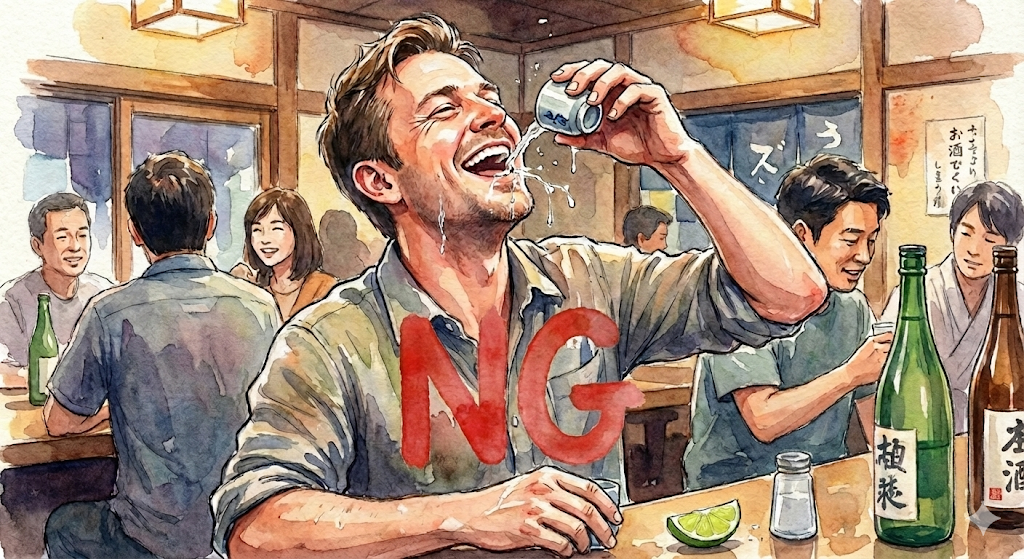
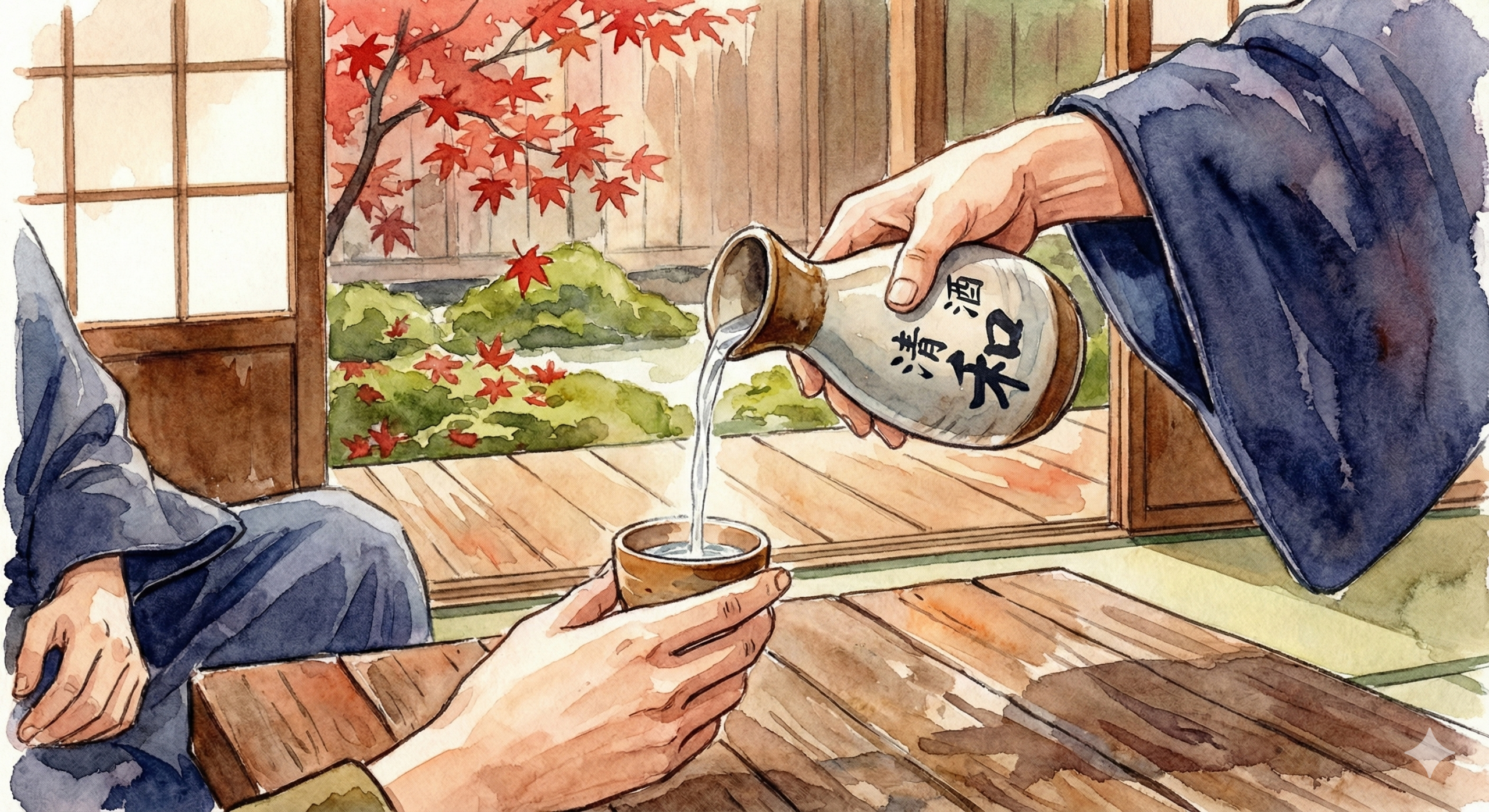
Outside Japan, sake is sometimes treated like a strong spirit and consumed in shots, similar to tequila. This is an understandable misunderstanding, but it is not how sake is traditionally enjoyed in Japan.
In Japan, sake is usually poured into small cups called ochoko and sipped slowly. It is meant to be enjoyed alongside food and conversation, not consumed quickly.
Another unique aspect of sake culture is temperature. Depending on the type of sake, the season, and personal preference, it may be enjoyed chilled, at room temperature, or gently warmed.
This flexibility reflects a broader Japanese appreciation for seasonality and balance.
【Column】 Is Sake the Same as Shaoxing Wine?
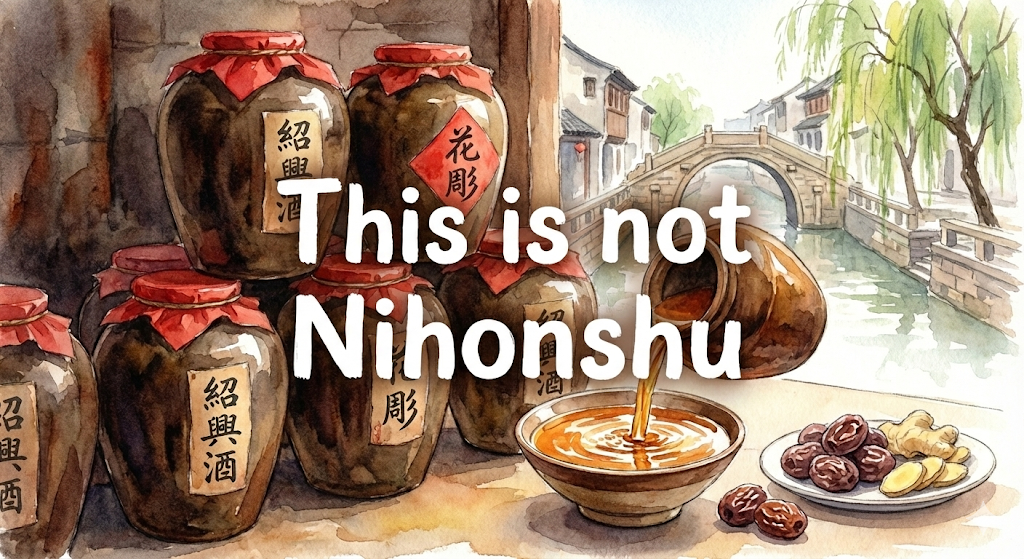
Sake is sometimes confused with Shaoxing wine, a traditional Chinese rice-based alcohol. While they share some similarities, they are quite different.
Shaoxing wine is commonly used as a cooking ingredient in Chinese cuisine and has a strong, distinctive flavor. Sake, on the other hand, is primarily enjoyed as a drinking beverage in Japan.
They come from different countries, different histories, and different cultural traditions. Neither is better than the other — they simply serve different roles.
Why Sake Matters in Japanese Culture
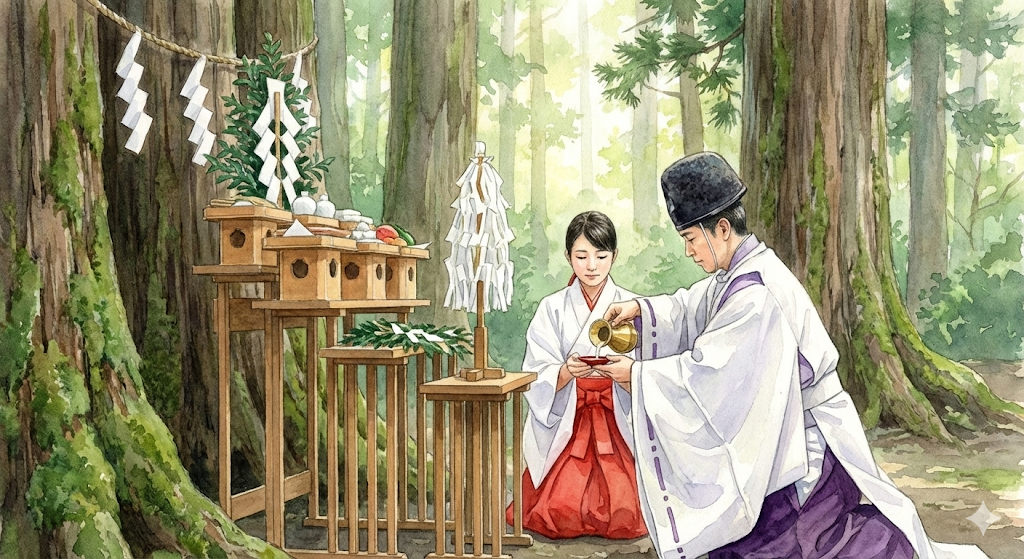
Sake is more than just an alcoholic drink. It represents craftsmanship, respect for nature, and the importance of sharing time with others.
Whether at a formal ceremony or a casual dinner, sake often acts as a bridge between people. It encourages slower moments, conversation, and a sense of connection.
In this way, sake reflects many values that are central to Japanese culture.
【Conclusion】Your First Step into the World of Sake
Understanding sake doesn’t require expert knowledge or perfect technique. It starts with curiosity and an open mind.
Rather than treating sake as something to drink quickly, try enjoying it at your own pace. Notice its aroma, how it changes with food, and how it fits into the moment.
By doing so, you’re not just tasting a drink — you’re taking a small step into Japanese culture itself.